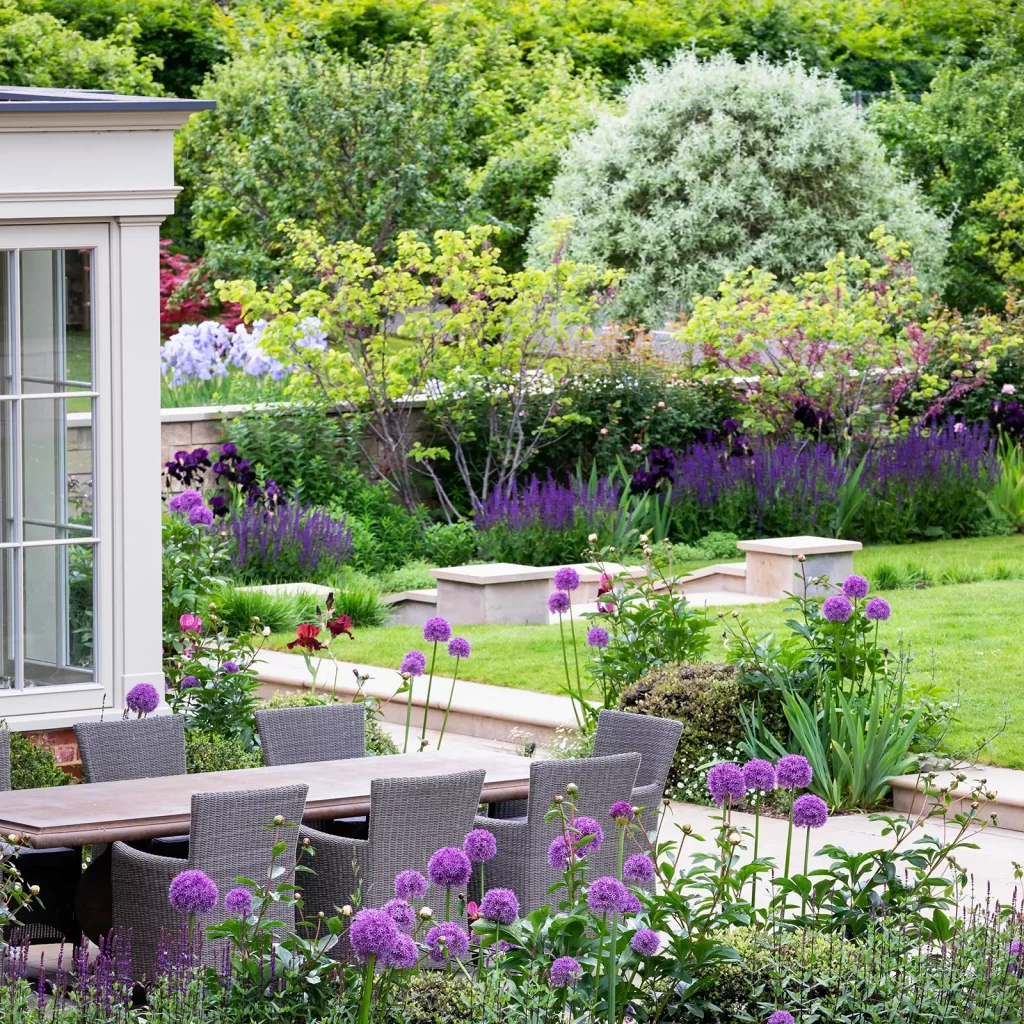
As Michigan homeowners spend more time outdoors during the warmer months, many are looking for natural ways to make their yards more comfortable and help reduce ticks around patios, walkways, and entertaining spaces. While no plant can completely eliminate ticks, certain plants are believed to help discourage them because of their strong scents, oils, or ability to attract beneficial pollinators instead of pests. Pairing these plants with smart landscaping practices can help create a yard that feels both beautiful and more enjoyable all summer long.
Lavender
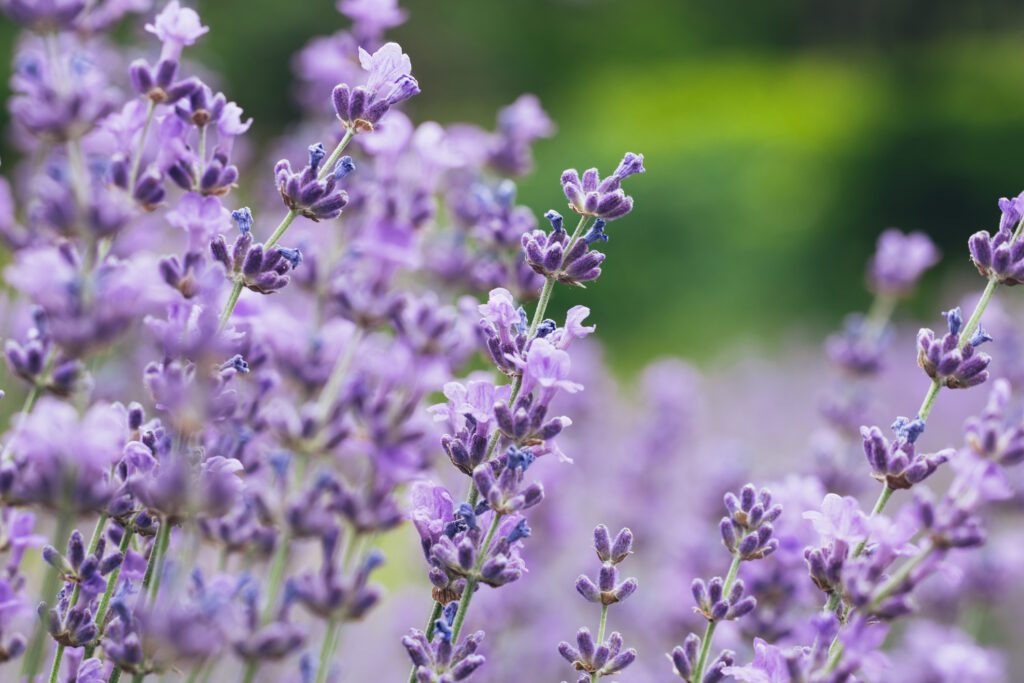
Lavender is one of the most popular plants associated with naturally repelling insects and ticks. Its strong fragrance may help deter unwanted pests while adding soft color and texture to garden beds. Lavender thrives in sunny areas with well-draining soil and works especially well near patios, walkways, or seating areas where its scent can be enjoyed.
Rosemary
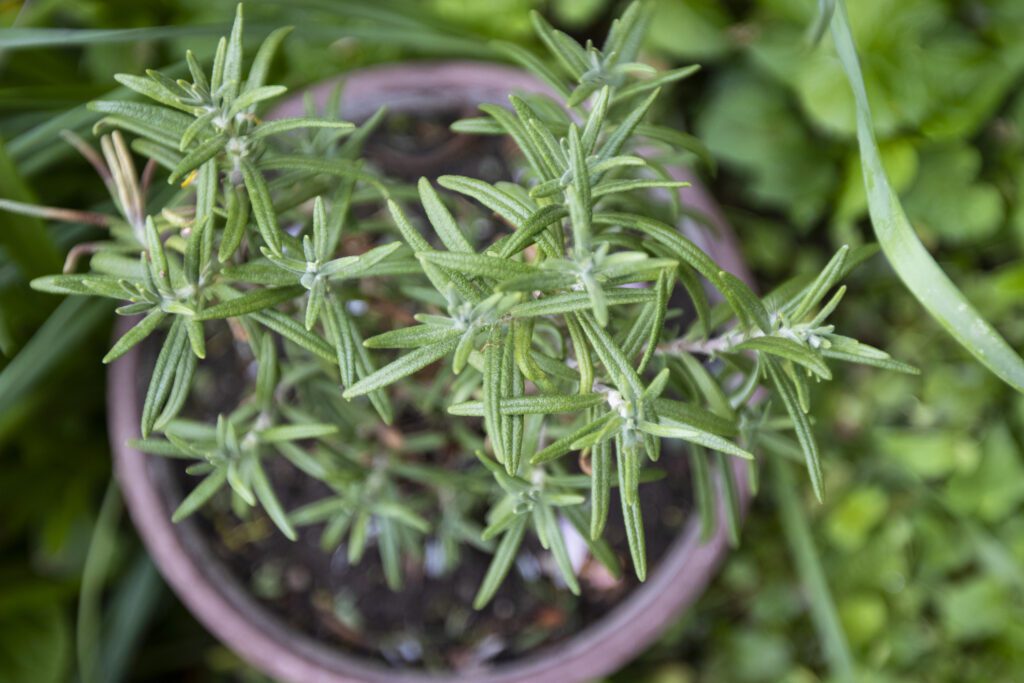
Known for its aromatic oils, rosemary is another herb commonly used in tick-conscious landscaping. In Michigan, rosemary often performs best in containers that can be moved indoors during colder months. Its rich green foliage adds structure to porches, decks, and outdoor entertaining spaces while providing a fresh herbal scent throughout the summer.
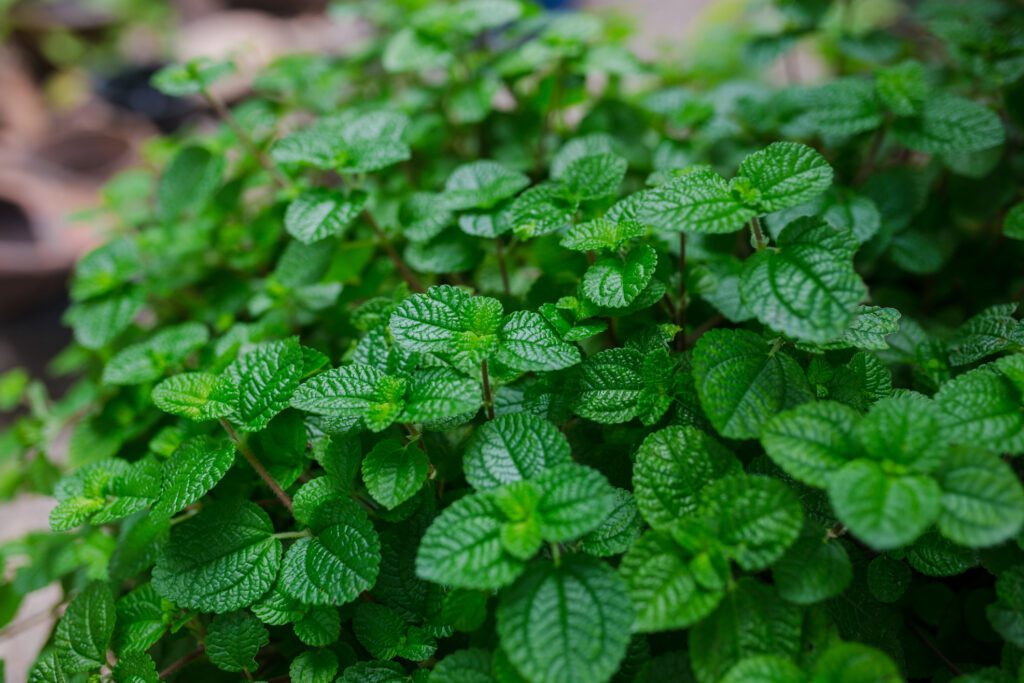
Mint
Mint grows aggressively, making it a great option for containers or controlled garden areas. Its strong scent is often believed to discourage ticks and other insects while giving outdoor spaces a refreshing, clean aroma. Varieties like peppermint and spearmint are especially popular for outdoor planters near patios and garages.
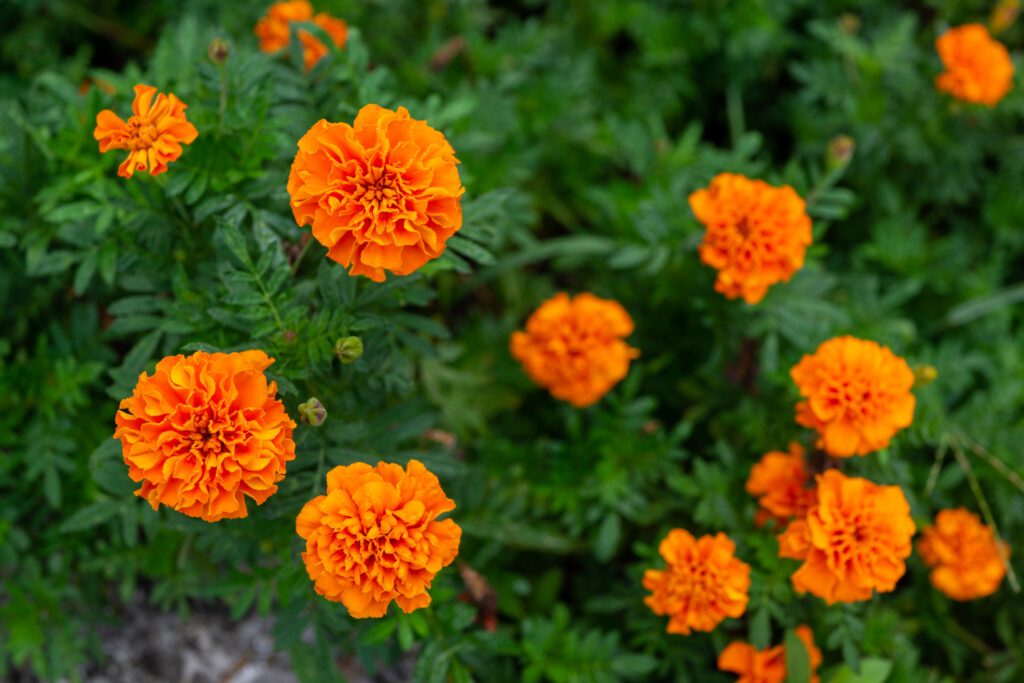
Marigolds
Bright and easy to grow, marigolds are often planted around garden borders because of their distinctive smell. These colorful flowers can add cheerful curb appeal while potentially helping discourage a variety of unwanted insects. They thrive in sunny Michigan summers and pair well with vegetable gardens or entry landscaping.
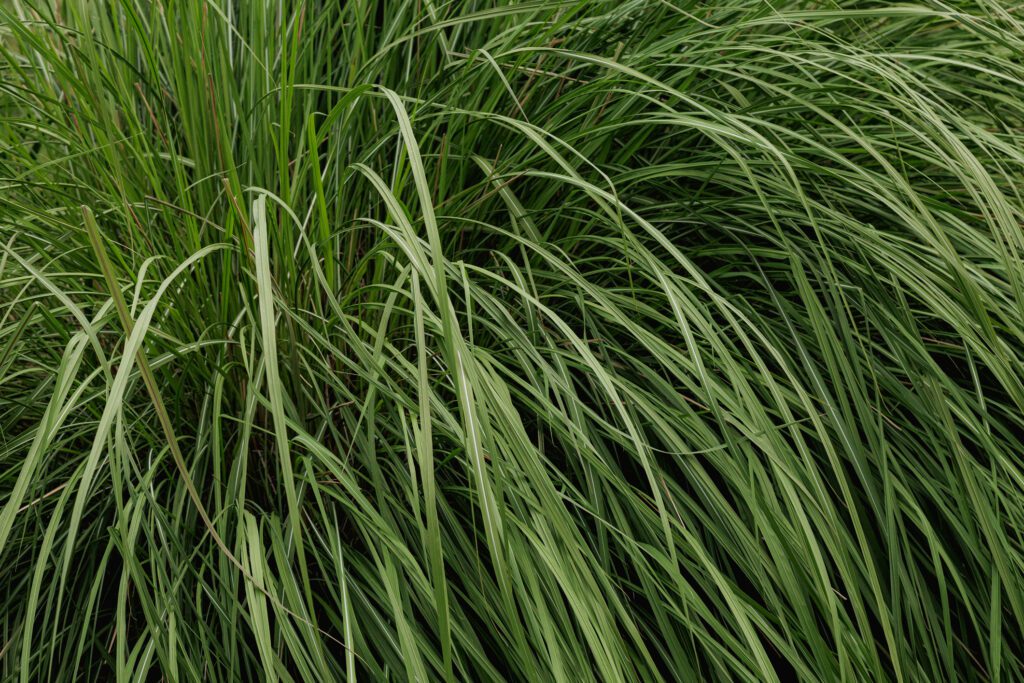
Lemongrass
Lemongrass contains citronella oil, which is commonly used in many natural insect-repelling products. Although it prefers warmer temperatures, lemongrass can still thrive during Michigan summers when planted in pots or sunny protected spaces. Its tall, textured appearance also adds a modern look to landscaping designs.
Sage
Sage offers both visual appeal and a strong earthy scent that many homeowners incorporate into herb gardens and outdoor gathering spaces. The soft gray-green foliage blends beautifully into natural landscaping while adding another layer of fragrance to the yard.
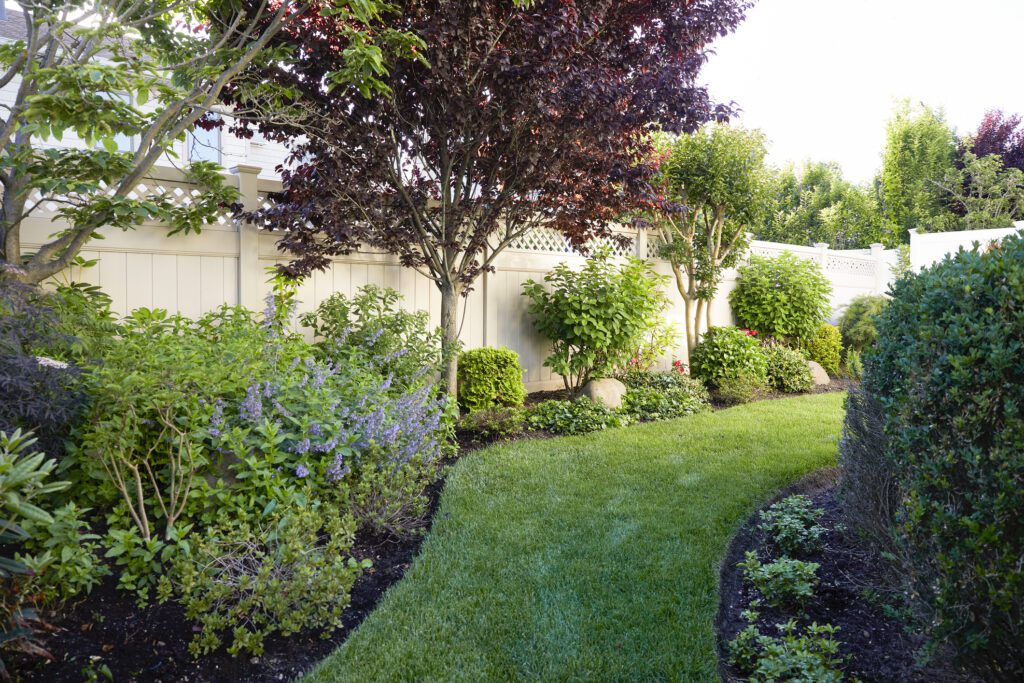
Pair Plants With Smart Landscaping Habits
While these plants may help discourage ticks, landscaping maintenance plays an even bigger role in reducing tick activity around the home.
Helpful landscaping practices include:
- Keeping grass trimmed short
- Removing leaf piles and excess brush
- Creating mulch or stone borders between wooded areas and lawns
- Pruning overgrown shrubs to improve airflow and sunlight
- Keeping entertaining areas clean and dry
Ticks tend to thrive in damp, shaded environments, so creating a more open and maintained yard can make a noticeable difference.
A Beautiful Yard That Works Smarter
Adding fragrant herbs, colorful flowers, and intentional landscaping details can help create outdoor spaces that are not only attractive but also more functional for everyday living. Whether lining a walkway with lavender or placing rosemary and mint near a patio, these small additions can enhance curb appeal while helping Michigan homeowners enjoy their yards a little more comfortably throughout the season.
Featured image credit: Rosemary Coldstream Garden Design