Every Memorial Day weekend, millions of Americans fire up the grill, head to the lake, and crack open something cold. And somewhere between the potato salad and the sunscreen, someone usually pauses and says, “We should remember what this day is actually about.”
They’re right! But here’s the thing: the history behind Memorial Day is actually a lot more interesting than most people realize. It’s full of small-town rivalries, a poem that changed everything, and a few traditions that even historians can’t quite agree on. So before you fire up the grill this weekend, here are the stories hiding inside the holiday you’ve been celebrating your whole life.
It started after the Civil War, and everyone wants credit for it.
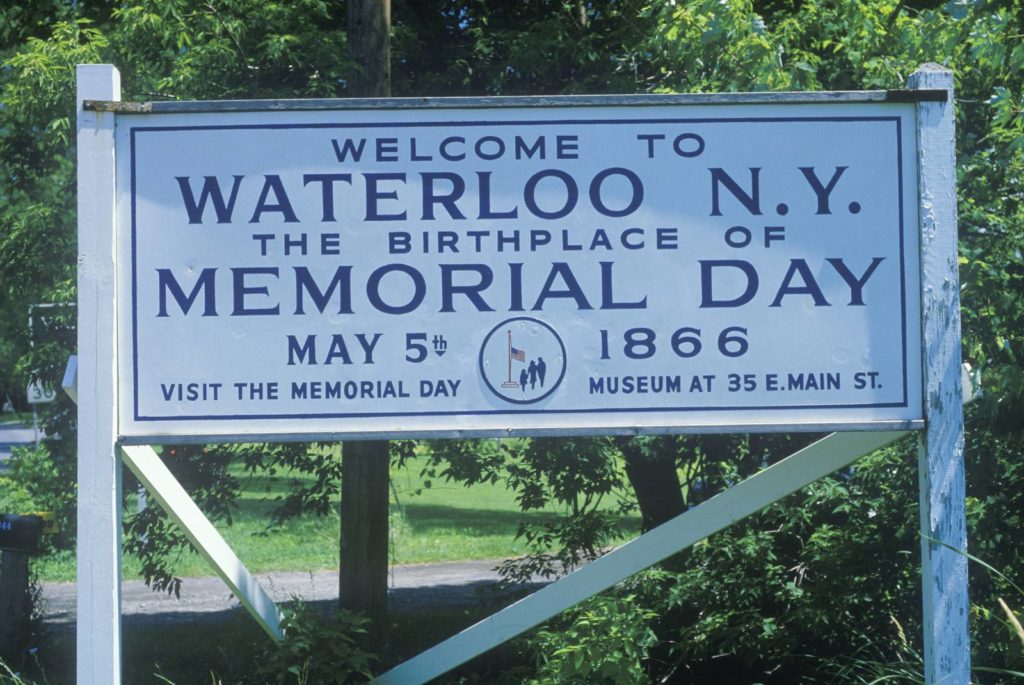
The origins of Memorial Day are genuinely contested, and about two dozen towns across the country will happily argue with you about it! The most widely recognized story involves Waterloo, New York, which was officially declared the birthplace of Memorial Day by President Lyndon Johnson in 1966.
Before that, the holiday was known as Decoration Day. Communities would gather to decorate the graves of soldiers lost in the Civil War with flowers, flags, and wreaths. General John Logan formalized it in 1868, declaring May 30th a national day of remembrance. Why May 30th? One popular theory is that it was chosen because no major Civil War battle was fought on that date, making it neutral ground for a nation still very much in the process of healing.
It wasn’t until after World War I that the holiday expanded to honor all American military personnel who died in service. And it wasn’t officially called Memorial Day, or made a federal holiday, until 1971.
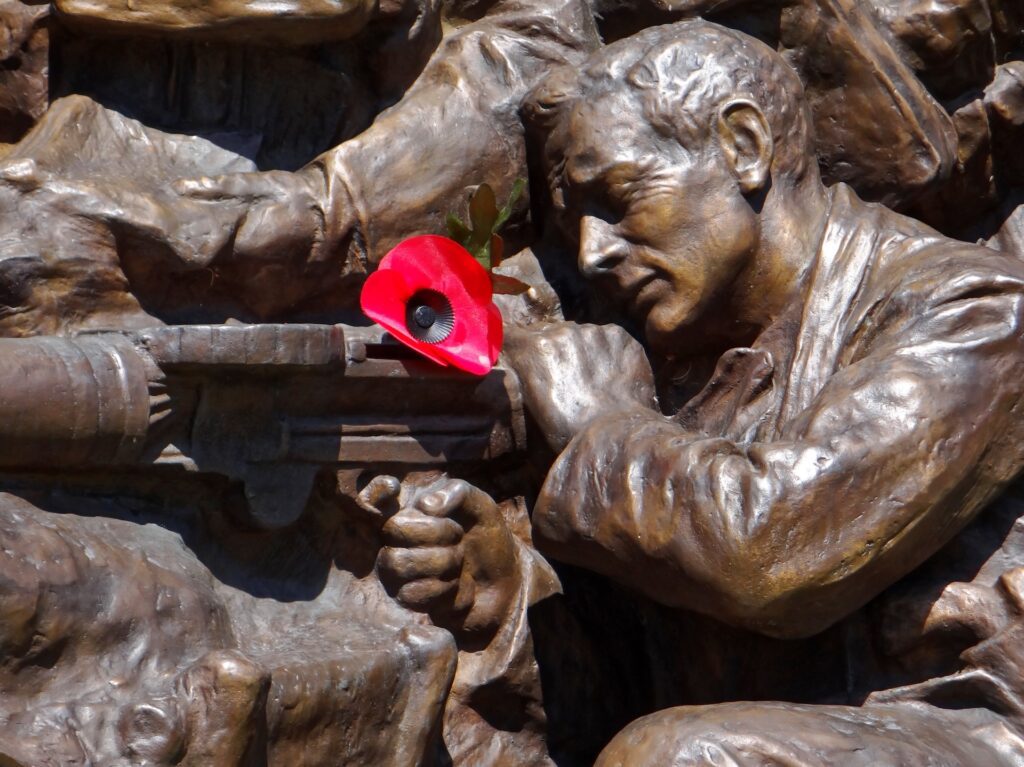
The red poppy has a surprisingly literary origin.
If you’ve ever seen people wearing small red poppies around Memorial Day or Veterans Day, you might have wondered where that tradition came from. The answer is a poem!
In 1915, a Canadian military doctor named John McCrae wrote “In Flanders Fields” after witnessing the death of a close friend during one of World War I’s bloodiest battles. The poem opens with a vivid image of red poppies blooming over the graves of fallen soldiers in the fields of Belgium.
The poem spread quickly, and an American teacher named Moina Michael was so moved by it that she began wearing a red poppy as a personal pledge of remembrance. She campaigned tirelessly to make it an official symbol, and it caught on, first in the U.S., then across Commonwealth countries, where the tradition remains especially strong today.
A flower, a poem, and one determined teacher. Not bad for a symbol that has been around for over a century!
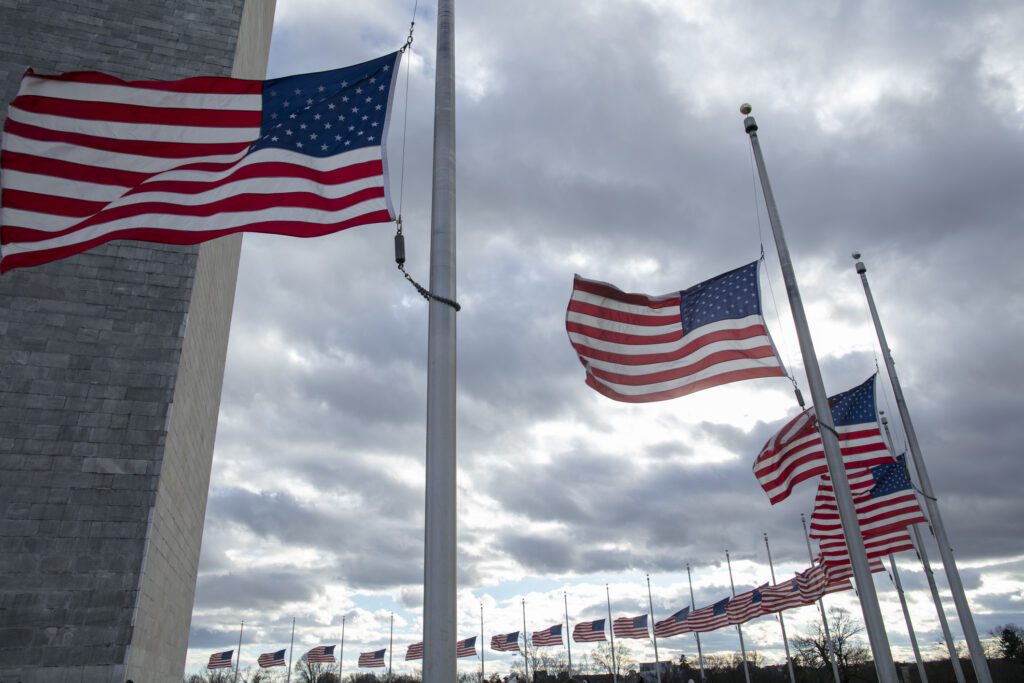
There are specific rules about the flag, and most people don’t know them.
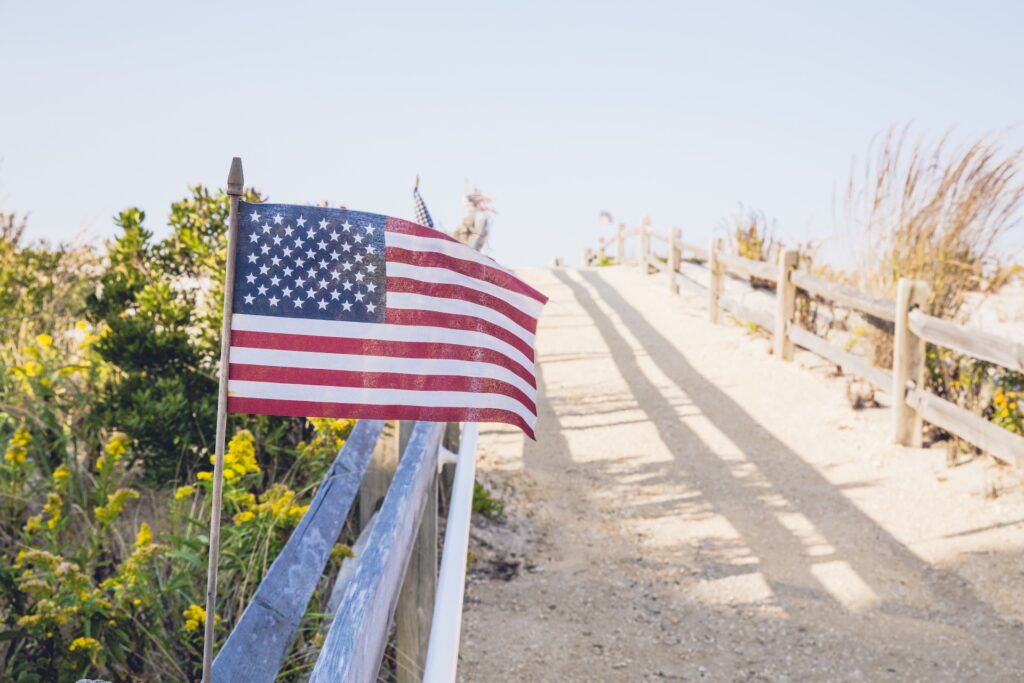
You’ve probably noticed that flags fly at half-staff on Memorial Day, but only until noon. At noon, they’re raised back to full-staff for the rest of the day. It’s one of those details most people notice without ever looking into the reason behind it.
The tradition comes from a presidential proclamation that established Memorial Day flag protocol. The half-staff position in the morning represents a time of national mourning. The raising to full-staff at noon is meant to honor the living, a reminder that while we pause to grieve, the nation carries on and honors those we’ve lost by continuing to stand.
It’s a small, quiet gesture that most people miss entirely. But once you know it, you’ll catch yourself watching for it every year.
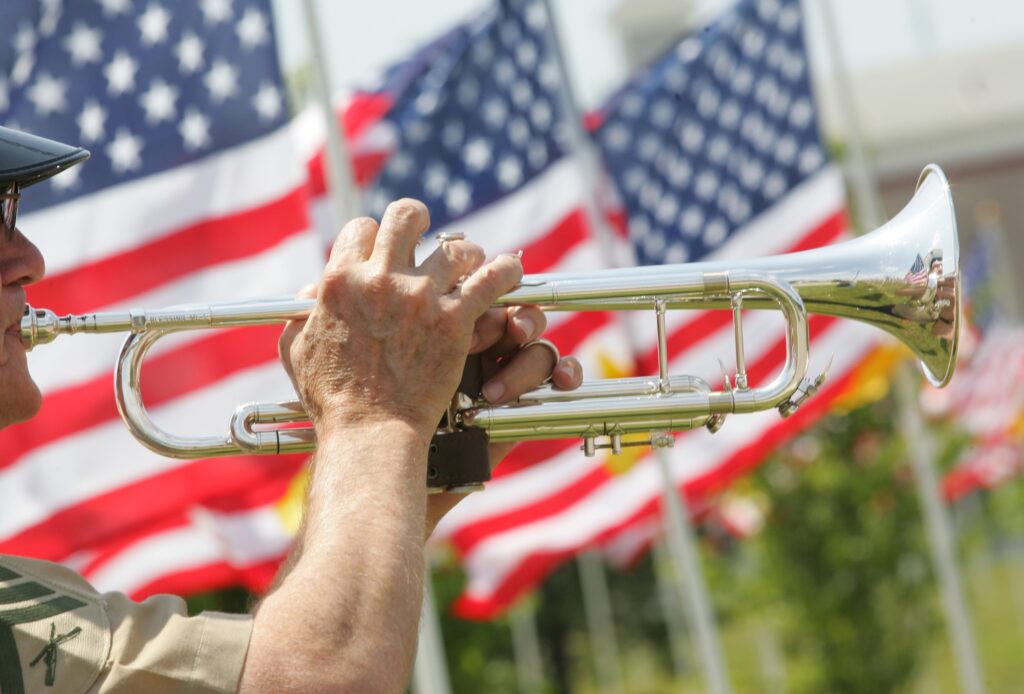
“Taps” was almost never written.
The haunting bugle call played at military funerals and ceremonies is one of the most recognizable sounds in American life. Most people assume it’s ancient. It’s actually not!
“Taps” was reworked in 1862 by Union General Daniel Butterfield, who was dissatisfied with the existing bugle call used to signal “lights out” at the end of the day. He hummed a revised melody to his brigade bugler, Oliver Wilcox Norton, who helped him refine it until it was just right. Within weeks, other units had adopted it. Within months, it was being played at military funerals, and it eventually became the official call it is today.
The whole thing happened almost by accident, in the middle of a war, because a general had an ear for music and a bugler willing to help him work it out. It has been played at the funerals of presidents, veterans, and soldiers ever since.
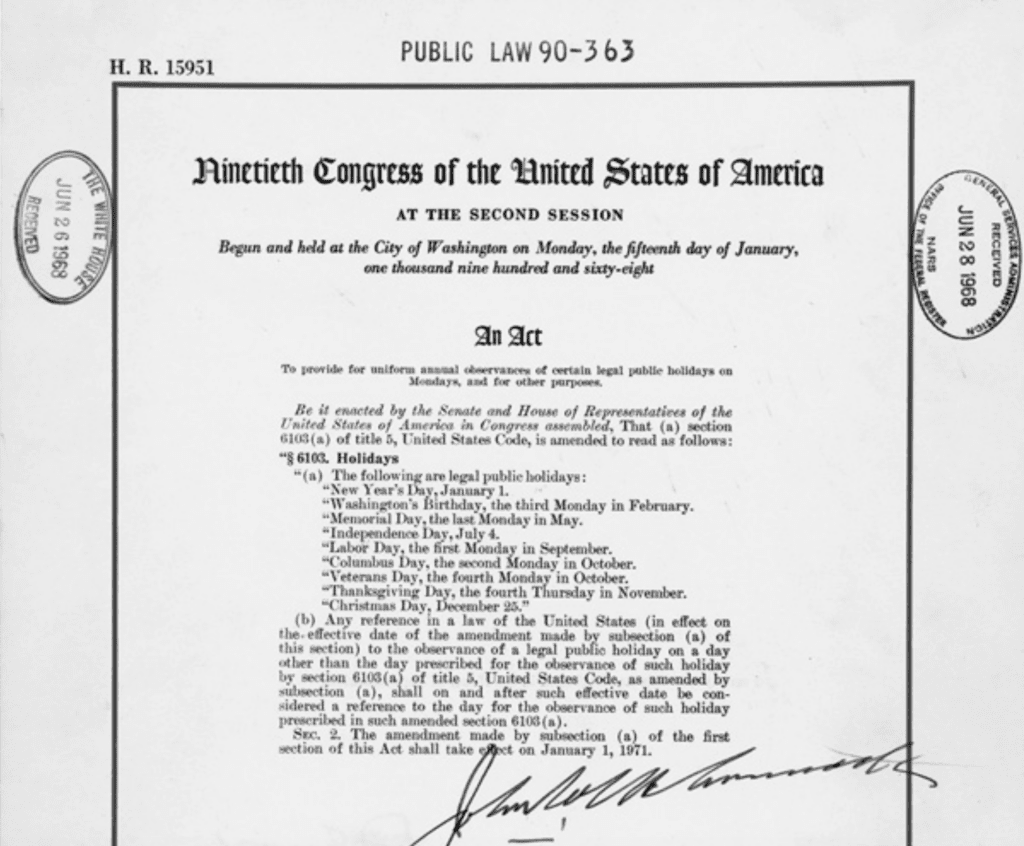
The long weekend is actually a pretty recent invention.
For most of its history, Memorial Day was observed on May 30th, a fixed date regardless of what day of the week it happened to fall on. That changed in 1971, when the Uniform Monday Holiday Act moved it to the last Monday of May. The change was practical, but it also shifted something culturally. A fixed date carries a different kind of weight. When May 30th fell on a Wednesday, there was no long weekend attached to it. Just a day set aside for remembrance. The three-day weekend, for all its cookout glory, is a relatively recent addition to the tradition.
None of that makes the potato salad any less delicious, of course. But it’s a good reminder that the long weekend was built on something worth pausing for.
Happy Memorial Day!
Sources
- National Cemetery Administration, U.S. Department of Veterans Affairs — Memorial Day History
- Library of Congress — Today in History, May 30
- History.com — Civil War Dead Honored on Decoration Day
- Wikipedia — Memorial Day (includes Moina Michael / red poppy history)
- History.com — How Did Taps Originate?
- Association of the United States Army — The History of Taps
- Airborne and Special Operations Museum Foundation — The History of Memorial Day